

Six Steps on Throwing the Perfect Curveball
- The Grip
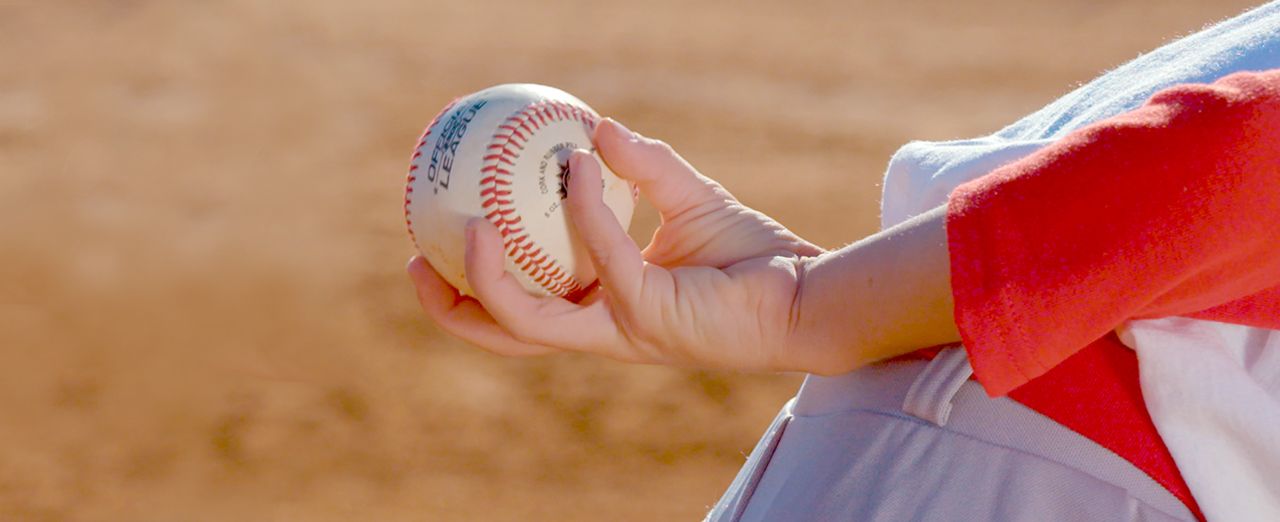
The grip of the pitcher’s finger on the ball has one of the greatest effects on the overall performance of the pitch. The finger that holds the most importance is the middle finger. The most ideal position for the grip is the seam generates a form of resistance when pressed against the middle finger before the release of the ball. If the resistance is not present or felt by the pitcher, the ball will not generate a tight rotation and the overall effectiveness of the pitch will be low.
- The Elbow Position
When throwing a curveball regularly, it is very important to inform pitchers about how to position their elbows due to increase in injuries over the years. The elbow of the pitcher’s throwing arm should be slightly above of equal to the shoulder of their pitching arm. If this step is not completed, many pitchers who leave their elbow below their shoulders, add additional stress impact to their arm. If his incorrect motion is repeated, it can lead to injury such as a tear to the ACL.
- The Pitchers Stride Length
One problem that many pitchers have when throwing a curveball, is that their ball is consistently too high. The best solution to this issue is shortening the pitcher’s stride by 2-3 inches. This should bring the pitchers ball down and allow the pitcher to get on top of their curveball to generate more accuracy with the pitch.
- The Pitchers Release
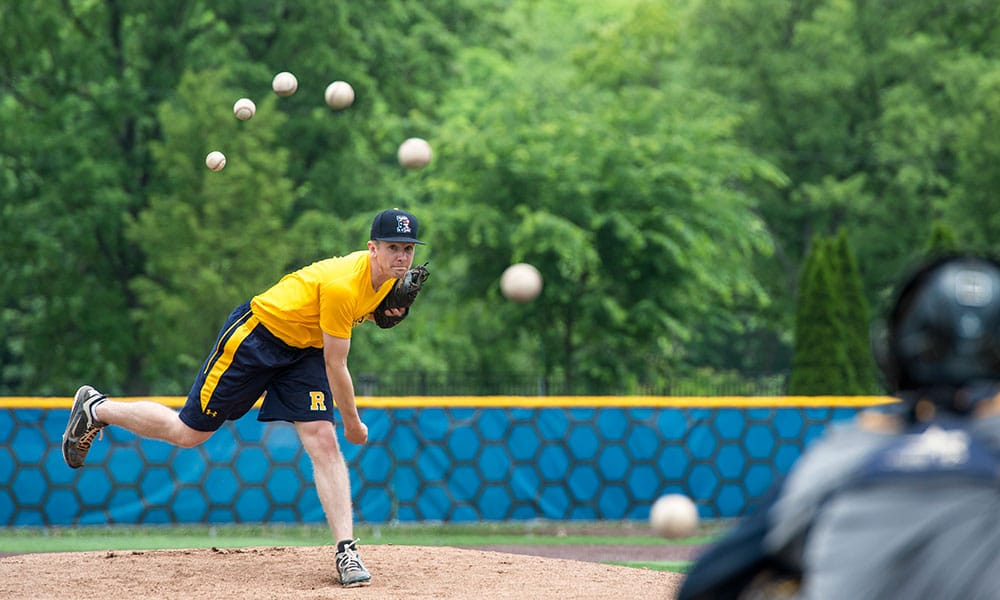
The release of a curveball is very different in comparison to a common fastball. When a player wants to throw a curveball, the wrist will need to rotate when throwing the ball, keeping the ball close to your body when you throw. The allows the ball to generate more tight rotation for the ball to create movement. The farther the ball is away from the body, the less rotation and effectiveness of the pitch.
- The Pitchers Arm Speed
One of the most important parts in selling a pitcher’s curveball is throwing with consistent arm speed for all variety of pitches. This is true because hitters will read the arm speed of a pitcher to be prepared for a certain type of pitch. Quicker arm speed is suggested when throwing a curveball. This will lead to a tighter rotation of the ball as well create more of a downward movement of the ball as it gets closer to the batter.
- Confidence
Establishing confidence in a pitcher’s throw can make all the difference in the end. If a player is not confident when they throw the pitch, all the mechanics will fail. In order for a player to throw a perfect curveball, having confidence is key. Building confidence can be done through continues repletion, practice, as well as confidence in yourself as a whole. When learning how to throw a curveball, confidence can become the most essential point for success.

Source:
Drills
Drilling becomes one of the most crucial aspects of attaining a curveball. Many coaches suggest many different drills, workouts, and tutorials toward learning to throw a curveball. These few drills are the most effective toward generating the best curveball a baseball player can throw.
- Snap Drill
- This drill can be done strictly with just a baseball. There are no partners or gloves needed in this process. This drill is generated to perfect the snapping rotation of the pitchers wrist when throwing the ball. The objective is to perfect the grip of the fingers on the laces, and adjust with the quick snap of the wrist from the hand when releasing the pitch.
- One Knee Drill (Recommended 1st)
- The one knee drill allows the player to focus on only their upper body. The lower body can be brought into the picture later when learning a curveball. Start 10-20 feet away and finish 30-40 feet away. Learning the upper body movements before the lower is a key step towards moving to other parts of the pitch.
- Stride Drill
- The stride drills almost has the same purpose as the one knee drill. The pitcher should stand 30-40 feet away from their target and focus on the stride of their legs when throwing the pitch. This focuses on the weight distribution and acceleration of the pitcher when the are pushing toward their destination.
- Flat Ground Drill
- This is when the pitcher is starting to throw their pitch in a full sequence. The pitch should be thrown from flat ground, and should be only thrown 4 times. This allows the pitcher to adjust to their mistakes, and take that information into their next pitch.

80% Rule
When learning to throw a curveball, the power is the least important part at the beginning. Players who are developing a pitch, need to focus on the spin and the consistency of the pitch before they move onto generating power on the pitch. Over time, a player will be able to generate more power which will increase the effectiveness of the pitch. The rule of throwing a curveball is, a pitcher most throw it accurately 80% of the time before they begin to throw it harder. This is done to build confidence, as well as generate familiarity with the pitch. The 80% shows that the pitcher has proven they are accurate with the pitch, and that they can go to the next step.

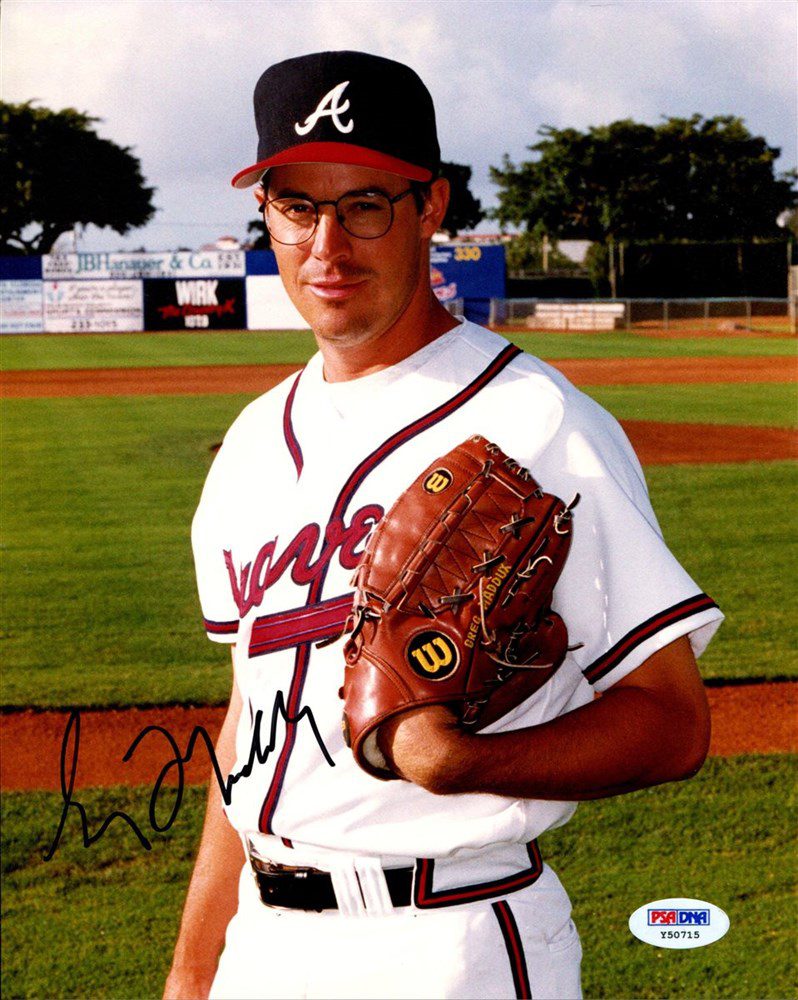
“Consistency is something you can always improve on. You can be more consistent with your mental approach, the things you do physically on the mound. Instead of doing 5 good pitches an inning, try to make six. You can always do more of what you are doing well and try to be as consistent as you can be.”
– Greg Maddux

The Finishing Touch
A pitchers ability to throw a curveball can ultimately decide their success on the mound. Nearly every pitcher at the professional, college, as well as high school level is expected to obtain some form of offspeed pitch such as a curveball. The curveball is considered to be one of the most common pitches in baseball alongside with the fastball and changeup.
When a pitcher has the ability to throw a deceiving curveball, this gives the pitcher an edge over the batter. The better level of pitches, the better off the player will be in the future. The curveball can keep the batter off balanced and throw them off when they are in the batter’s box. The form of the pitch makes the batter feel as if they will be receiving a fastball, but in reality, he will be receiving a slower breaking ball.
Learning how to throw a curveball is one of the most important parts of baseball, and in the end will decide the fate of a pitcher.
“There are three types of baseball players: those who make it happen, those who watch it happen, and those who wonder what happened.” – Tommy Lasorda