In baseball, every position plays a critical part in securing victory. From the starting pitcher setting the tone to the power hitter driving in runs, each role contributes to the outcome. However, one of the most intense and high-pressure positions in the sport is the closer in baseball. Often entering the game in the final inning, the closer carries the responsibility of protecting a slim lead and finishing the game strong.
This article explores what a closer in baseball is, how the role evolved, why it is so important, and what makes a successful closer in today’s modern game.
Meanwhile, if you are looking for a platform where you can experience similarly to Tongits go start playing, check out GameZone.
What Is a Closer in Baseball?
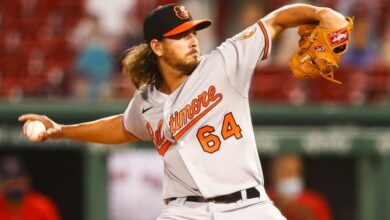
A closer in baseball is a relief pitcher whose primary job is to finish games when their team is leading, usually by a small margin. Most closers enter the game in the ninth inning, although they may appear earlier in high-pressure situations.
The closer’s goal is simple but demanding: secure the final outs without surrendering the lead. When they successfully complete this task under qualifying conditions, they earn what is known as a save.
Key Responsibilities of a Baseball Closer:
- Protect a narrow lead (usually 1–3 runs)
- Pitch in high-pressure, late-game situations
- Prevent base runners from scoring
- Secure the final outs of the game
Because the closer typically pitches the final inning, the outcome of the game often rests squarely on their shoulders.
The Evolution of the Closer Role in Baseball
The closer role was not always as defined as it is today. In early baseball history, starting pitchers frequently finished their own games. Relief pitching was less specialized, and there was little emphasis on defined bullpen roles.
The rise of the modern closer began in the 1960s and 1970s, when managers started assigning specific relief pitchers to protect late leads. The introduction of the save statistic in 1969 further formalized the role.
Legendary closers like:
- Rollie Fingers
- Goose Gossage
- Dennis Eckersley
- Mariano Rivera
helped shape the modern perception of the closer as a dominant, specialized weapon. Today, nearly every professional baseball team has a designated closer.
Why the Closer Is So Important in Baseball
1. High-Pressure Situations
The closer in baseball typically enters the game when tension is at its peak. The opposing team is making its final attempt to rally. One mistake can completely change the outcome.
Unlike starting pitchers, closers often have no room to recover from a bad inning. They must perform immediately and efficiently.
2. Momentum Control
A strong closer stabilizes a team’s confidence. When players know they have a reliable pitcher to finish games, it changes the dynamic of how they approach late innings.
Conversely, a struggling closer can create uncertainty and tension throughout the team.
3. Protecting Team Investment
Baseball games are long. Starters may pitch six or seven innings, and the offense may work hard to build a slim lead. The closer protects that entire effort. Without an effective closer, earlier success can be wasted in just a few minutes.
4. Statistical and Strategic Value
Closers significantly impact:
- Wins and losses
- Team standings
- Playoff qualification
- Player contracts and arbitration value
In postseason baseball, the importance of an elite closer becomes even more magnified.
What Makes a Great Closer in Baseball?
Not every pitcher can thrive in the closer role. It requires a unique combination of skill, mentality, and composure.
1. Mental Toughness
The closer must remain calm under pressure. With the game on the line, thousands of fans watching, and runners possibly on base, mental strength is essential.
2. Dominant Stuff
Most successful closers have:
- High-velocity fastballs
- Sharp breaking pitches
- Excellent command and control
Strikeouts are particularly valuable because they eliminate the possibility of defensive errors.
3. Short Memory
Even elite closers occasionally blow saves. The best ones recover quickly and focus on the next opportunity rather than dwelling on failure.
4. Efficiency
Closers often pitch on consecutive days. Therefore, they must be efficient with pitch counts to remain available throughout the season.
The Save Statistic and Its Importance
The save is the defining statistic for a closer in baseball. To earn a save, a pitcher must:
- Finish the game for the winning team
- Not be the winning pitcher
- Enter with a lead of three runs or fewer (or meet other qualifying conditions)
While saves are not a perfect measure of effectiveness, they remain the standard metric for evaluating closers.
However, advanced analytics now also assess:
- WHIP (Walks plus Hits per Inning Pitched)
- ERA (Earned Run Average)
- Strikeout-to-walk ratio
- Leverage index
These metrics help teams better evaluate a closer’s true impact.
The Psychological Pressure of Being a Closer
Few positions in sports come with the psychological burden of a baseball closer. Unlike other players who may have multiple chances during a game, the closer often has only one inning to succeed or fail.
A blown save can:
- Shift team momentum
- Impact playoff races
- Affect a pitcher’s confidence
Yet when a closer consistently shuts down opponents, they become one of the most valuable assets on the roster.
Closers in Modern Baseball Strategy
Modern baseball analytics have influenced how managers use closers. While traditional strategy reserves the closer strictly for the ninth inning, some teams now deploy their best reliever in the highest-leverage situation, regardless of inning.
This strategic shift has sparked debate:
- Should the closer only pitch the ninth?
- Or should the best reliever face the toughest hitters when the game is truly on the line?
Regardless of strategy, the importance of a shutdown reliever remains unchanged.
Famous Closers Who Defined the Role
Several closers have become legends due to their dominance:
- Mariano Rivera: Widely considered the greatest closer in baseball history, known for his devastating cutter.
- Trevor Hoffman: One of the first pitchers to reach 600 career saves.
- Kenley Jansen and Craig Kimbrel: Modern-era closers with impressive strikeout numbers.
Their careers demonstrate how valuable and impactful the closer role can be.
Conclusion: The Closer Is Baseball’s Final Guardian
The closer in baseball is more than just a relief pitcher. They are the final guardian of victory, entrusted with sealing the outcome of hard-fought games. Their role demands skill, composure, and resilience under pressure.
From the evolution of the save statistic to the dominance of legendary pitchers, the closer position has become one of the most critical roles in modern baseball. Whether in regular season matchups or high-stakes playoff games, a great closer can define a team’s success.